Overview of Home Theater Systems Installation
Home theater systems installation in St Paul, MN involves the design and setup of a complete entertainment environment that combines video display technology, multi-channel audio, and connected media devices into a unified system. The goal of this installation is to create a structured audiovisual setup where each component communicates seamlessly with the others for synchronized playback and consistent performance.
The process begins by evaluating the space where the system will be installed, including room size, seating arrangement, and wall structure. These physical characteristics determine how sound travels, how visuals are viewed, and how equipment should be positioned for balanced performance.
Ron's T.V. And Stereo Installation
handles home theater system installations by integrating display devices, audio components, wiring infrastructure, and control systems into a single coordinated setup designed for long-term functionality.
Viewing and Seating Configuration
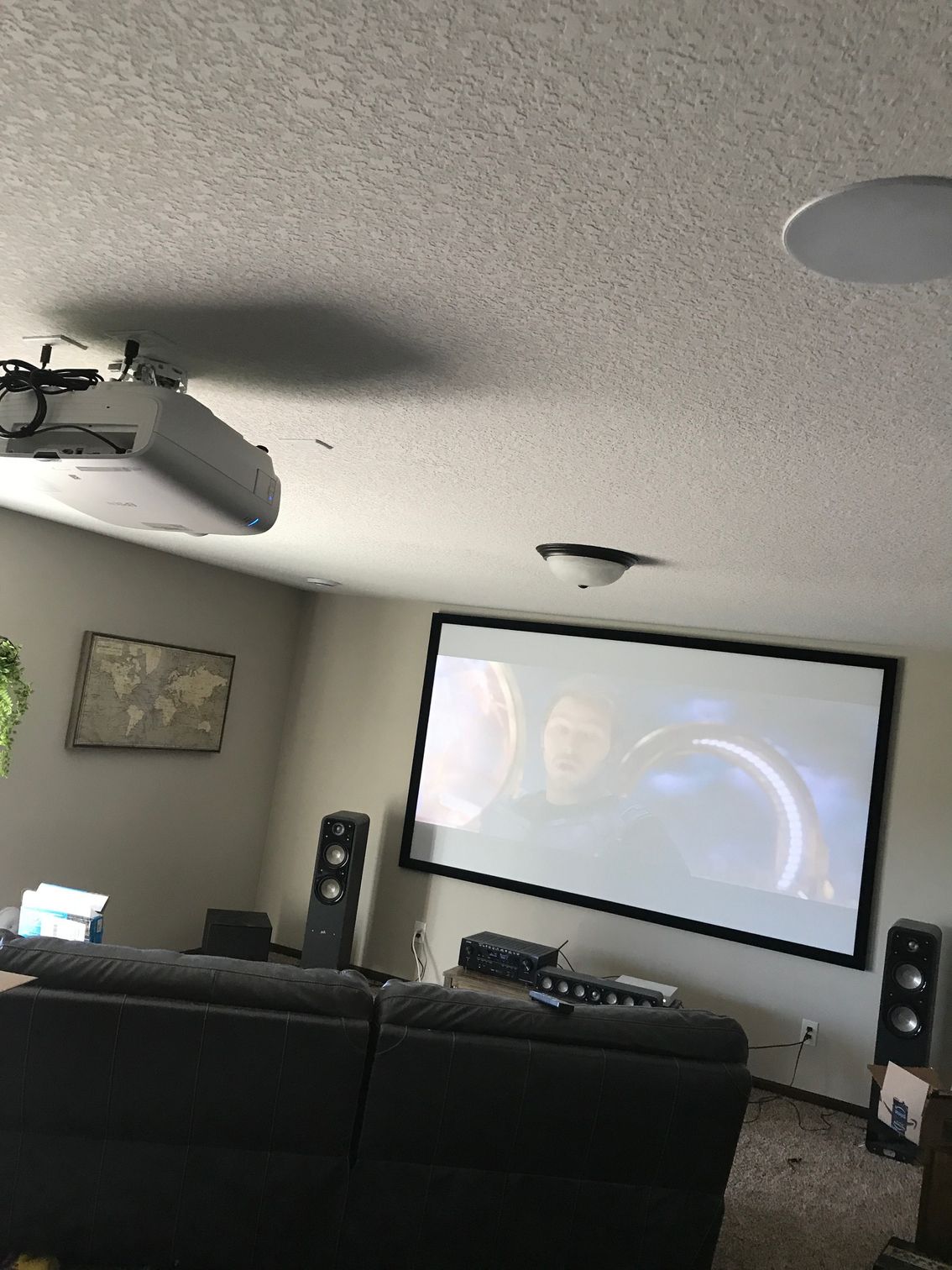
Seating position determines the overall design of the system. The distance between seating and screen influences display size selection, while the arrangement of seats impacts speaker placement and sound direction.
Equipment Layout Structuring
Home theater systems typically include a display screen, AV receiver, multiple speakers, subwoofer, and media devices. Each component is assigned a specific location within the room to ensure proper signal flow and accessibility.
Room Environment Assessment
Lighting conditions, wall reflectivity, and ceiling height are analyzed to determine how visuals and audio will perform within the space. These factors influence screen brightness settings, speaker positioning, and acoustic treatment requirements.
Home Theater System Design and Planning
The design phase focuses on structuring the system based on the layout of the room and the type of equipment being installed. Every component is selected and positioned to work as part of a complete audiovisual environment.
Television or Projector Setup
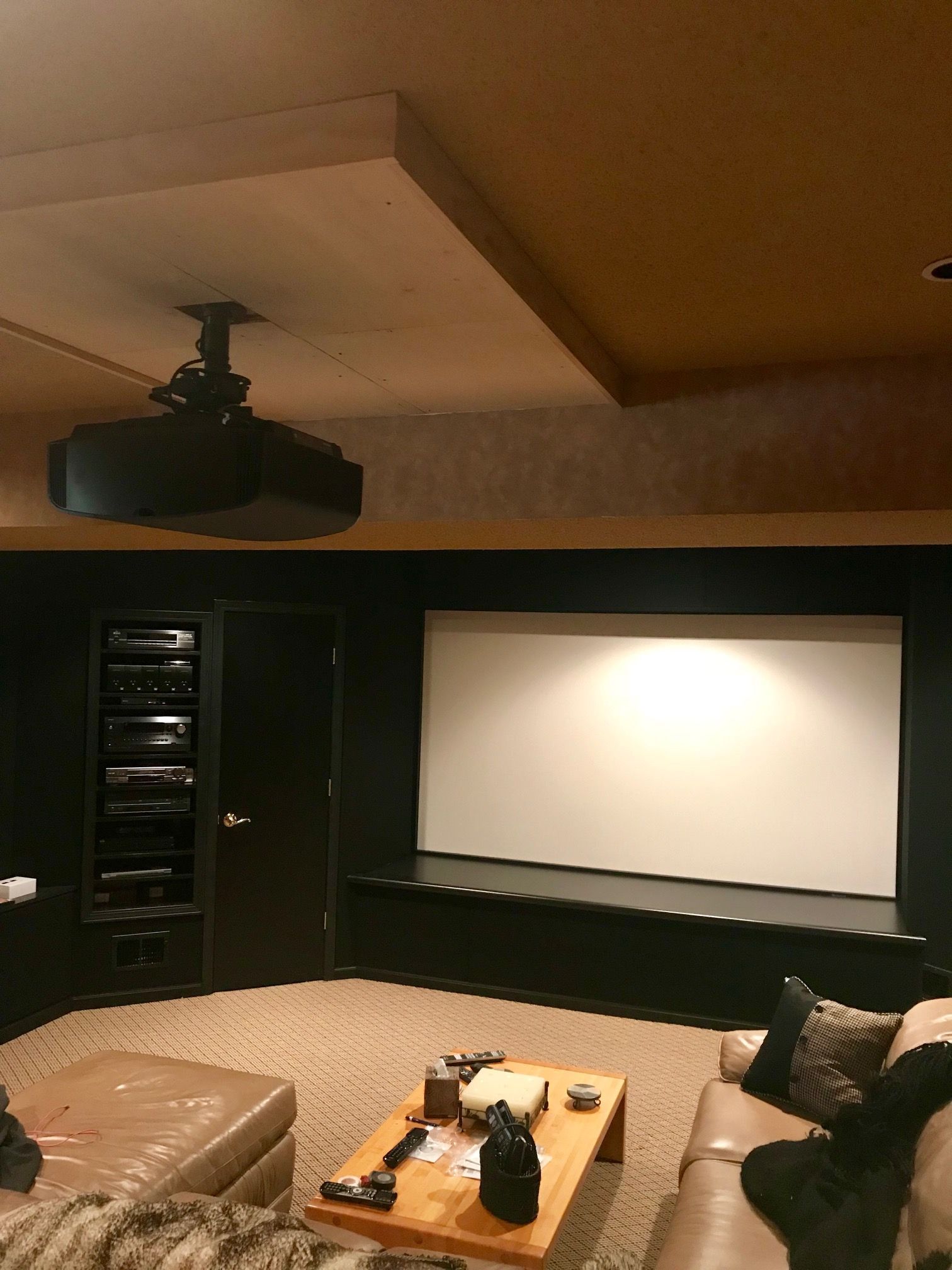
Depending on the system design, either a flat-screen television or a projector system is installed. Televisions are mounted securely to walls, while projectors require ceiling or rear placement aligned with a projection surface.
Screen Positioning and Alignment
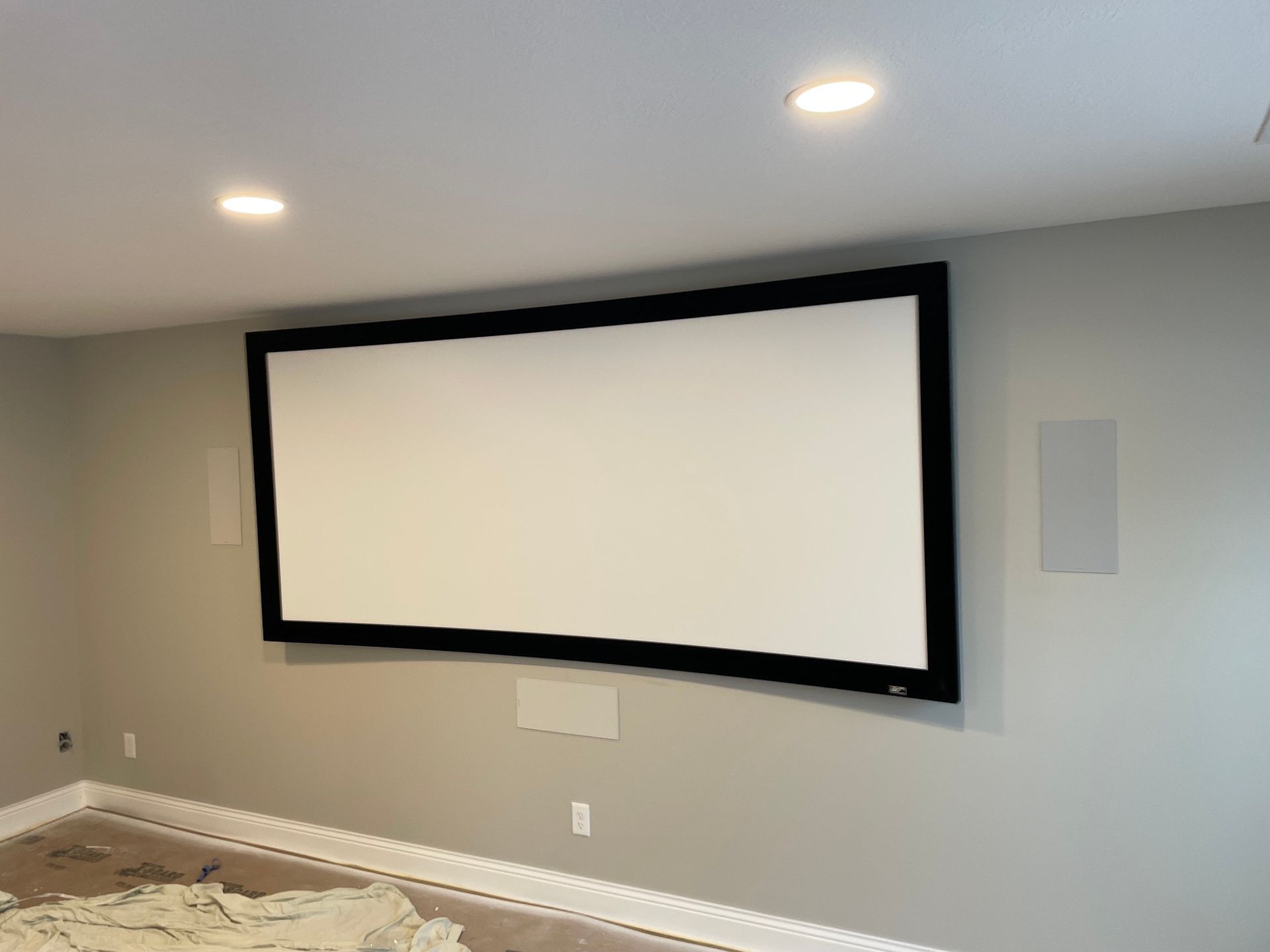
Screen placement is carefully measured to align with the primary seating position. This ensures that viewers experience consistent picture quality without distortion or off-angle viewing issues.
Input Device Integration
Display systems are connected to multiple input sources such as streaming devices, gaming consoles, and cable or satellite receivers. These connections are configured to allow seamless switching between media sources.
Display System Installation and Configuration
The display system serves as the visual centerpiece of the home theater setup and must be installed with precision to ensure optimal viewing quality.
Audio System Integration and Surround Sound Setup
Audio integration is a core component of home theater systems, providing depth and directionality to the viewing experience.
Multi-Channel Speaker Configuration
Surround sound systems are installed using multiple speakers placed strategically around the room. Each speaker is assigned a specific audio channel to create directional sound movement and spatial awareness.
Subwoofer Placement and Bass Management
The subwoofer is positioned to enhance low-frequency effects such as bass and impact sounds. Placement is adjusted based on room acoustics to ensure even distribution of low-end audio without distortion.
AV Receiver Configuration
The AV receiver functions as the central hub of the audio system, managing signal distribution, volume balancing, and input selection across all connected devices.
Concealed Wiring Installation
Cables are routed through walls, ceilings, or cable management channels to reduce visual clutter and protect wiring from damage. This includes HDMI, speaker wire, and power connections.
Signal Path Organization
Each component is connected through a structured signal path that ensures proper communication between devices. This reduces interference and maintains consistent audio and video quality.
Power Distribution Setup
Electrical connections are organized to ensure stable power delivery to all components. Surge protection and proper load distribution are used to safeguard equipment from electrical fluctuations.
Wiring Infrastructure and System Connectivity
Wiring plays a critical role in maintaining signal quality and ensuring that all components function as a unified system.
System Calibration and Performance Optimization
After installation, the system is calibrated to ensure balanced performance across both audio and video components.
Audio Calibration and Balancing
Speaker levels are adjusted to ensure consistent volume across all channels. This includes tuning dialogue clarity, ambient effects, and bass response for a balanced listening experience.
Video Quality Adjustment
Display settings such as brightness, contrast, color balance, and motion smoothing are configured based on room lighting and screen type to optimize visual clarity.
Synchronization and Timing Adjustment
Audio and video synchronization is checked to ensure that sound aligns accurately with on-screen action, preventing delays or mismatches during playback.
System Functionality Testing
Each device is tested individually and as part of the full system to confirm proper operation. This includes input switching, audio output verification, and display performance checks.
Connectivity Verification
All wired and wireless connections are reviewed to ensure stable signal transmission between devices. This confirms that the system operates reliably under normal usage conditions.
Operational Walkthrough and Configuration Review
A final walkthrough is conducted to demonstrate system operation, including control interfaces, input selection, and audio adjustment functions. Ron's T.V. And Stereo Installation ensures the entire system is fully configured and ready for everyday use.
Final System Testing and Installation Review
The final phase of home theater systems installation ensures that all components are functioning correctly and integrated into a cohesive entertainment setup.


